Polynesian dance is a family of dance traditions from the islands of the Pacific. Hawaii, Tahiti, Samoa, the Cook Islands, Tonga, Aotearoa New Zealand and the Marquesas each have their own forms, costumes and music, and they share a common love of rhythm, storytelling and the body. This page gives an overview of the dance and explains how a reader in Indianapolis can find out more about it.
Polynesian Dance: A Cultural Overview
Polynesian dance is not one dance. The word covers many styles that developed on separate islands over many centuries. What they share is the use of the whole body, the close link between movement and speech or song, and the role of the dance in marking important events such as births, weddings, harvests and the honour of leaders.
Many traditions were shaped by the same pressures in the nineteenth and twentieth centuries, including missionary influence, colonial rule and migration. Some forms were restricted for long periods and then revived. Today, dancers in the islands and in the diaspora keep these traditions alive through schools, groups and festivals.
Hula: The Heart of Polynesian Dance
Hula is the dance of Hawaii and the form most people picture first. It combines chant, or oli, and song, or mele, with precise hand gestures and footwork. Each gesture can carry a meaning, and a good dancer makes the story visible to the audience. Hula is often described as a way of writing with the body.
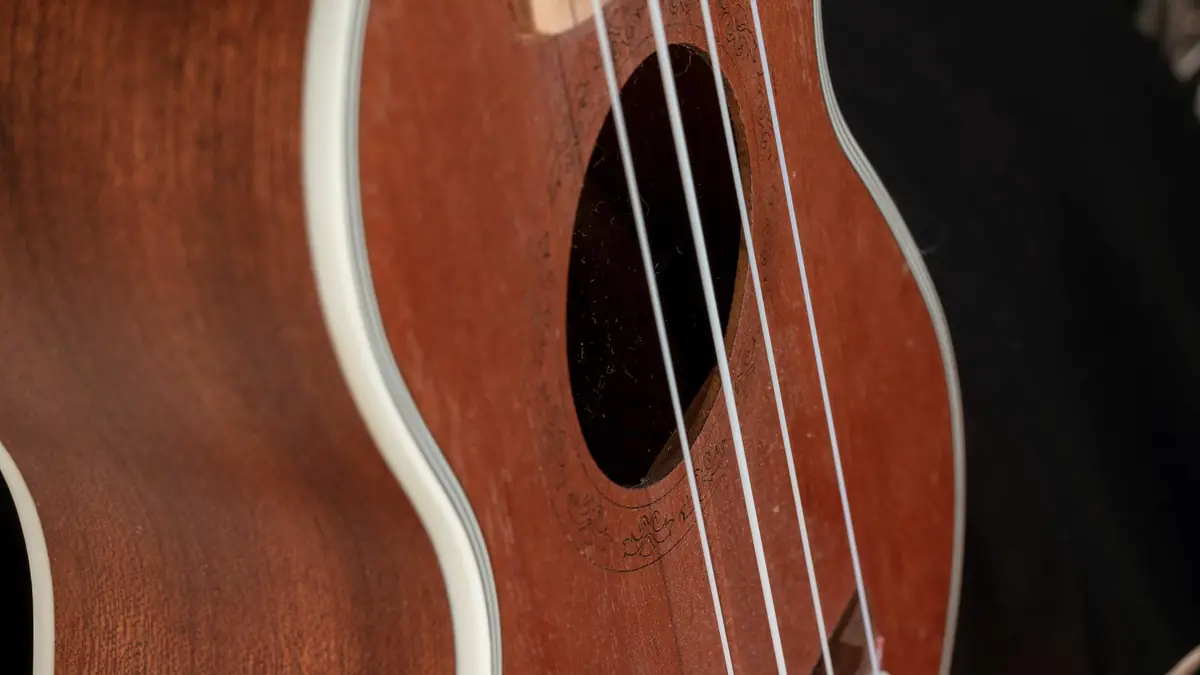
Hula is taught in two broad styles, kahiko and auana. Kahiko is the older, chant-based style. Auana is the newer style, often accompanied by guitar and ukulele. A school may teach one or both, and a visitor who knows the difference will understand a performance more fully.
Other Polynesian Dance Styles: Tahitian, Samoan, Maori
Tahitian dance, known as 'ote'a in its traditional form, is famous for fast and precise movements of the hips, with the upper body held still. Samoan dance, including the siva, is more fluid and often uses the arms and the upper body to shape the story. Maori dance from Aotearoa New Zealand includes the haka, a powerful dance with chant that can express challenge, welcome or grief depending on the occasion.
These styles are not interchangeable with hula. Each has its own history, music and protocol. A learner who wants to dance a particular style should look for a teacher trained in that tradition, rather than assume that one style can be learned from another.
The Role of Dance in Polynesian Culture
In many Polynesian societies, dance was a way of keeping memory. Stories of ancestors, places and natural forces were passed from one generation to the next through movement, chant and costume. Dance also marked the status of families and communities, and the right to perform certain pieces was often tied to lineage or to training.
For this reason, respect is part of learning. Students are encouraged to ask about the meaning of a dance, to credit the people who taught them and to be cautious about performing sacred or family pieces without permission. A good teacher will explain the background before teaching the steps.
Polynesian Dance in Indianapolis: Performances and Classes
Polynesian dance in Indianapolis is spread across schools, groups and community events, and the scene changes as teachers and performers move on or start new projects. This guide does not publish a list of schools, a timetable or prices, because these details change often and should come directly from the organisers.
Performances, workshops and classes are usually announced by the groups that run them. When you find one, check whether the teacher or performer has training in the style they teach, what the class level is and whether the event is open to visitors.
How to Experience Polynesian Dance Locally
The simplest way to begin is to watch. Look for an event where dancers perform in front of an audience, and notice the costumes, the instruments and the way the story is told. Afterwards, you can ask the performers about their training and their school.
If you want to go further, choose a beginner class, arrive with an open mind and keep a notebook of the words and meanings you learn. The basic steps guide and the events calendar describe what to expect, and the history of hula gives more background on the first and best known of these dances.
What is the difference between hula and Tahitian dance?
Hula is the dance of Hawaii and is built on chant, song and expressive hand gestures. Tahitian dance, known for its quick hip movements and strong drumming, comes from Tahiti and French Polynesia. Both are Polynesian, but they have different music, movement vocabulary and cultural context.
Are there Polynesian dance performances in Indianapolis?
Performances do take place in Indianapolis, but their dates, venues and organisers change from year to year. This guide does not list them. Check the websites or contact pages of local groups and the announcements section of this site, which is kept as a general notice board.
Can I learn Polynesian dance as a beginner?
Yes. Most schools welcome beginners, and many teach a foundation class before introducing choreography. Ask the teacher what the first class covers, what the costs are and whether there is a trial session. A beginner who practises regularly will usually see progress within a few months.