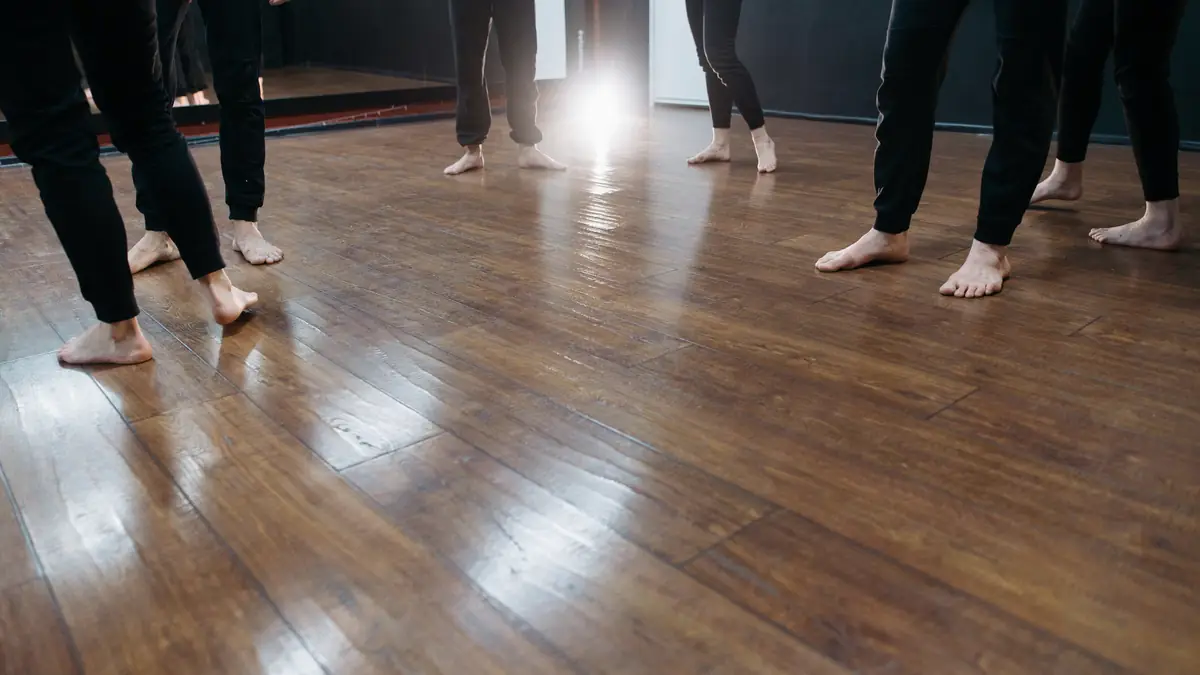
The steps of hula are simple to describe and surprisingly hard to perform well. A beginner learns a stance, a few basic footwork patterns and the hand movements that go with them, and only later begins to combine steps into a dance. This guide explains the basic movements that most hula classes teach, what each one is for and how to practise them between lessons.
These Hawaiian hula dance steps and Hawaiian hula steps form the base of most programmes, and the same basic Hawaiian dance steps appear in many beginner classes. Steps are taught differently by different schools and teachers. The descriptions here are general. They are meant to help you prepare for a class and to recognise what a teacher is asking for, not to replace instruction from someone who can watch your body.
Basic Hula Steps: Kaholo, Hela, and More
The kaholo is one of the most familiar basic steps. The feet move side to side in a sliding pattern while the knees stay soft and the weight shifts gently from one leg to the other. It teaches the stance and the sense of rhythm that most other steps depend on.
The hela is another basic movement, in which the dancer moves to one side with a clear pattern of the feet, while the upper body remains calm. Many classes also teach simple turns and changes of direction, which prepare the dancer for longer pieces. Ask your teacher which steps they consider foundational and in what order they are introduced.
Hand and Arm Movements
In hula the hands carry much of the meaning. A gesture can represent a natural feature, an animal or a feeling, and a dancer who knows the words of a song can use the hands to make those images visible. Beginners usually learn a small set of hand movements first, then learn how they link to the rhythm of the chant or song.
Keep the arms relaxed and the movements clear. Large gestures that are not connected to the music look untidy, while small, precise gestures tell the story more effectively.
Combining Steps into a Dance
Once the basic steps feel stable, teachers begin to join them into short sequences. A sequence usually follows a phrase of the song, so that each movement lands on the right beat. This is the point where timing becomes as important as the steps themselves.
Practise slowly first. Count the beats aloud, mark the movements with smaller gestures if you need to, and only increase the speed once the sequence is clean. Speed comes from accuracy, not the other way round.
Common Mistakes and How to Avoid Them
Beginners often lock the knees, which stops the hips and the steps from flowing. Others rush the rhythm, or keep their eyes on their feet and lose the connection with the audience. Many students also make the hand movements too small or too large, so that the story becomes hard to follow.
Ask your teacher to watch you and to point out the habits that hold you back. A short video recorded at home can help too, but compare it with the teacher's correction rather than trusting your own sense of how the movement looks.
Practicing at Home
Ten to fifteen minutes of practice a day is more useful than one long session each week. Begin with a warm-up that loosens the ankles, knees and hips, then repeat the stance and the basic steps slowly. Finish by listening to the music of the piece you are learning.
Practise in a space where you can move freely, and wear comfortable clothing. If you have a mirror, use it to check your posture, but remember that the teacher's feedback is the most reliable guide.
What are the most important basic hula steps?
Most teachers begin with the stance, the kaholo and the hela, and then add turns, simple hand movements and short combinations. The most important habit is not a single step but the way the knees, hips and hands work together while the rhythm stays steady.
How can I practice hula steps at home?
Choose one step, practise it slowly for a few minutes and then rest. Add the hand movements once the feet are steady, and finish by dancing the step to a recording of the music. Repeat the same routine most days, and bring any questions to your next class.
For the question of what a first class involves, see the guide to choosing classes. For the background of the dance these steps come from, read the history of hula. To ask a question about the steps, use the contact page.