Hula is the best-known form of Polynesian dance, and it is easy to see why. A single performer, a steady rhythm and a set of hand and body movements can tell a story about the land, the sea, a person or a god. Indy Hula is an independent guide to this dance and to the wider Polynesian culture around it, written for readers in Indianapolis who are curious about hula, want to try it, or want to understand what they see at a performance.
This site is not a dance group. It does not run classes, sell tickets, take bookings or collect donations. It is an editorial project that explains the dance, its history and its music, and points readers toward the right questions to ask before they choose a class or an event.
What Is Hula? An Introduction to the Dance
Hula is a Hawaiian dance in which movement carries meaning. Many dances are built on a chant, called oli, or on a song, called mele, and each gesture of the hands or arms corresponds to a word or an image. Some gestures show the sea or the wind, others show a flower, a bird or a person. A dancer who knows the words can follow the story even without a translation.
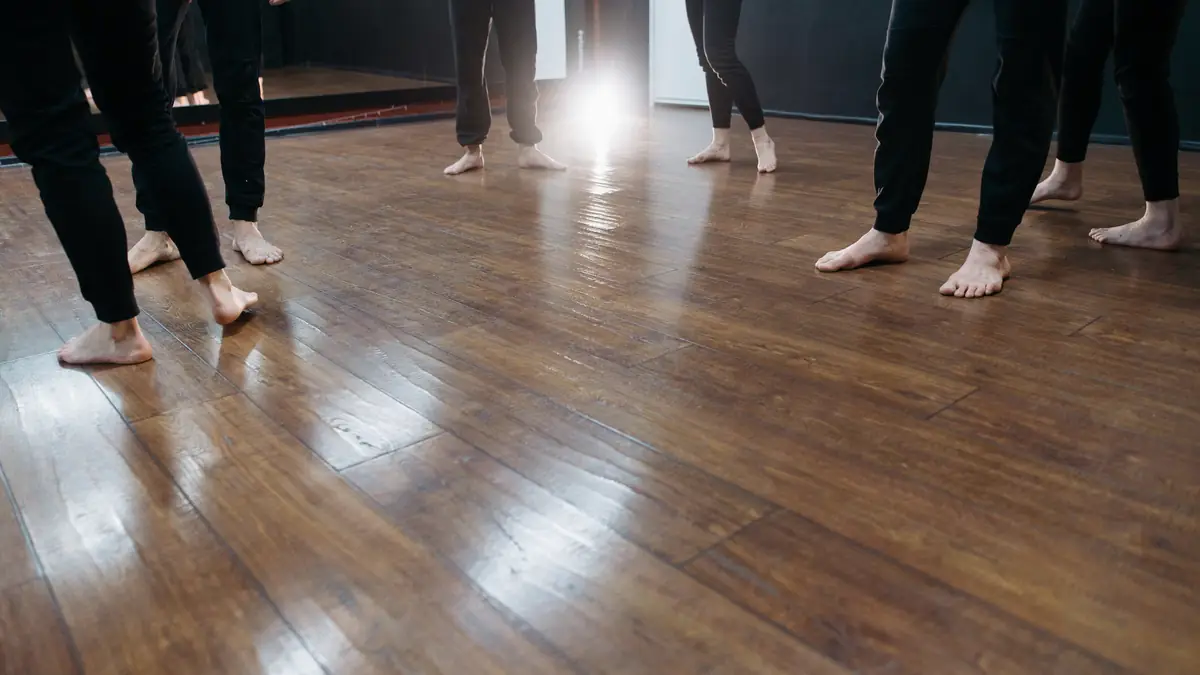
Hula is performed standing and sitting, with the knees bent and the weight shifted from side to side. The hips move with the rhythm, but the upper body stays relaxed. Beginners often expect the hip movement to be the hardest part. In practice, most learners find that the hands and the timing of the story take longer to master.
The History of Hula in Hawaii
Hula existed in Hawaii long before European contact. It was connected with religious ceremonies, with the recording of genealogy and history, and with the honour of chiefs. Dancers trained for years, and the knowledge of a school was passed from teacher to student, often within a family line.
In the nineteenth century the arrival of Christian missionaries changed the position of hula. Many missionaries discouraged the dance, and it was restricted and pushed to the margins for a long period. Some teachers continued to pass the dance on quietly, and in the late nineteenth century, during the reign of King David Kalakaua, hula was openly supported again. Its later revival in the twentieth century is one of the central stories of modern Hawaiian culture.
Hula Styles: Kahiko and Auana
Most hula is grouped into two broad styles. Kahiko is the older style. It is performed with chant and with percussion instruments, and its movements tend to be strong and grounded. Auana is the newer style, in which the music is often played on guitar or ukulele and the songs are more melodic. Many performers and schools teach both, and a single programme may include pieces from each.
Knowing the difference helps a visitor understand a performance. A kahiko piece often feels solemn and rhythmic, while an auana piece can feel lighter and more lyrical. Neither style is better; they answer different purposes within the same tradition.
Hula Music and Instruments
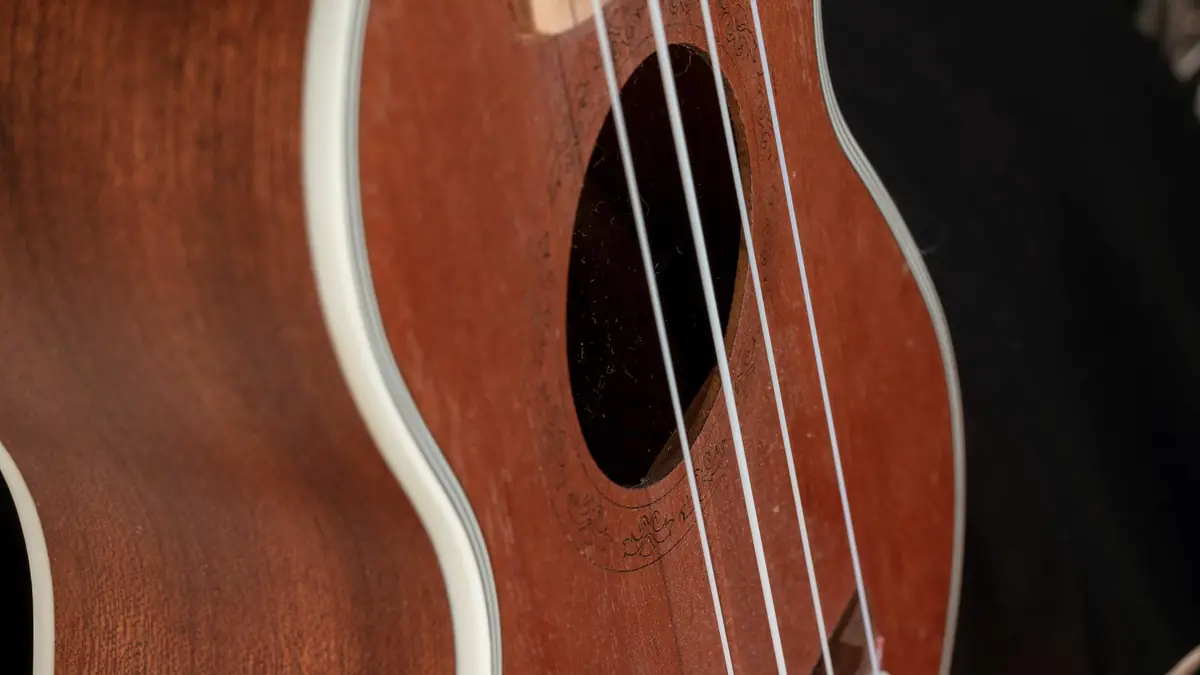
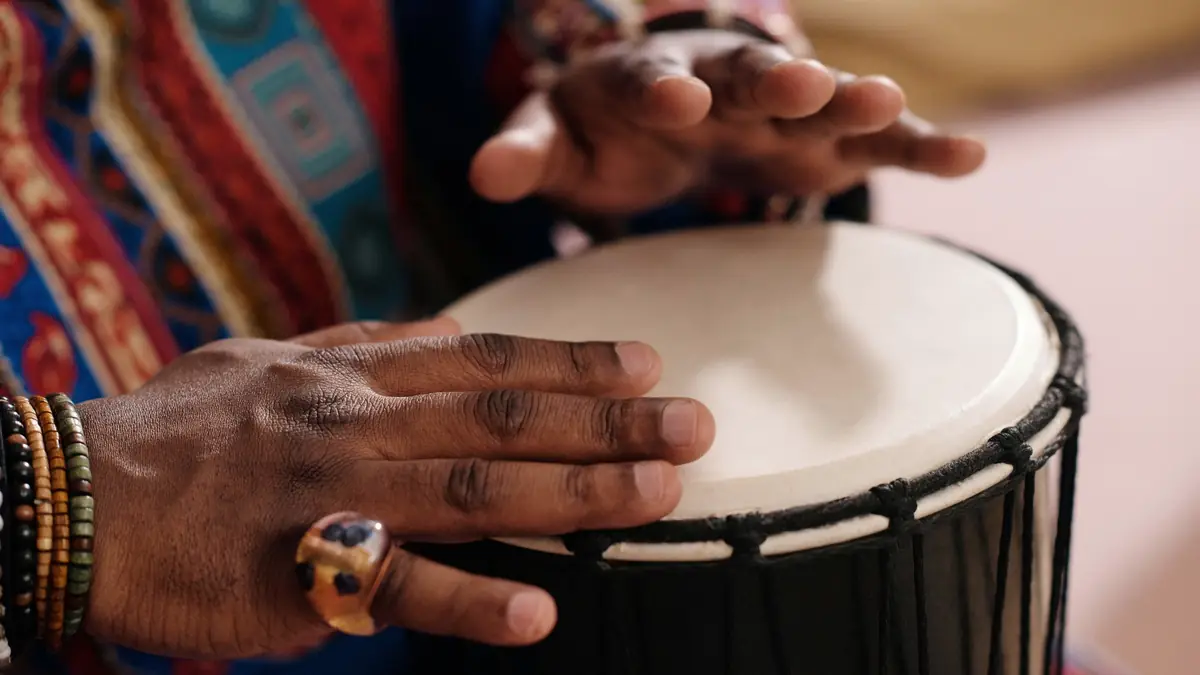
Hula music uses voices, chanting and a range of instruments. The ipu is a gourd drum, the pahu is a larger wooden drum, and the uli uli is a rattle decorated with feathers. In auana pieces, the guitar and the ukulele have become standard. The instruments set the pace, and the dancer must keep time with them while telling the story of the song.
Listening before dancing is one of the most useful habits a beginner can form. Recordings of traditional chant and modern song help the ear learn the rhythm, and the rhythm then makes the steps easier to remember.
Hula Costumes and Adornments
Costume in hula depends on the style and the occasion. Dancers often wear a pa'u, a skirt wrapped or tied at the waist, and flower lei around the neck. Plant materials such as ti leaves and fern are common in traditional settings, and they are chosen for their meaning as well as their look. Modern performances may use fabric, but the intent of a costume, to suit the dance and to respect its origin, remains important.
A new student does not need an elaborate costume. Most classes ask for simple, comfortable clothing that allows free movement, and the teacher will explain any specific requirements for a group.
Hula in Indianapolis: Local Scene and Events
Indianapolis is the capital of Indiana, and its Polynesian dance community is spread across schools, groups and cultural events rather than one central venue. The scene changes over time as teachers and groups start, pause or move. This guide does not list schools or dates, because those details change faster than a printed guide can follow.
When you look for hula in Indianapolis, check each school or organiser directly. Ask about their teacher's training, their style, the level of their classes and how they handle costs. The best source of current information is always the group itself.
How to Start Learning Hula in Indianapolis
Start by watching. Attend a performance if you can, and notice which style it uses and how the teacher's students move. Then choose a beginner class that describes itself clearly as an introduction. Arrive a few minutes early, wear comfortable clothing and bring water.
Give yourself time. Hula rewards patience, and the first months are usually about posture, footwork and listening. The guide pages on classes and on basic steps describe what to expect, so you can prepare before your first session.
Do I need to be Hawaiian to learn hula?
No. Hula is taught to people of many backgrounds. What matters is respect for the culture behind the dance. Good teachers explain the meaning of songs and movements, not only the steps, and they credit the people who keep the tradition alive.
What should I wear to a hula class?
Wear clothing that lets you bend your knees and turn freely, and bring a towel and water. Some schools ask students to wear a particular skirt or lei for performances, but a first class rarely requires any costume. Ask the school what it expects before you buy anything.
How long does it take to learn basic hula steps?
It depends on how often you practise and on the teacher. Many beginners learn the basic steps within a few weeks of regular classes, but the timing of the hands and the feeling of the story usually take much longer. Consistent practice at home makes the greatest difference.
Read more about the history of hula, the basic steps and the frequently asked questions, and write to the editorial team through the contact page if you have a correction or a question.